
Exploring the Speed of Chicken Road Animation A Creative Journey
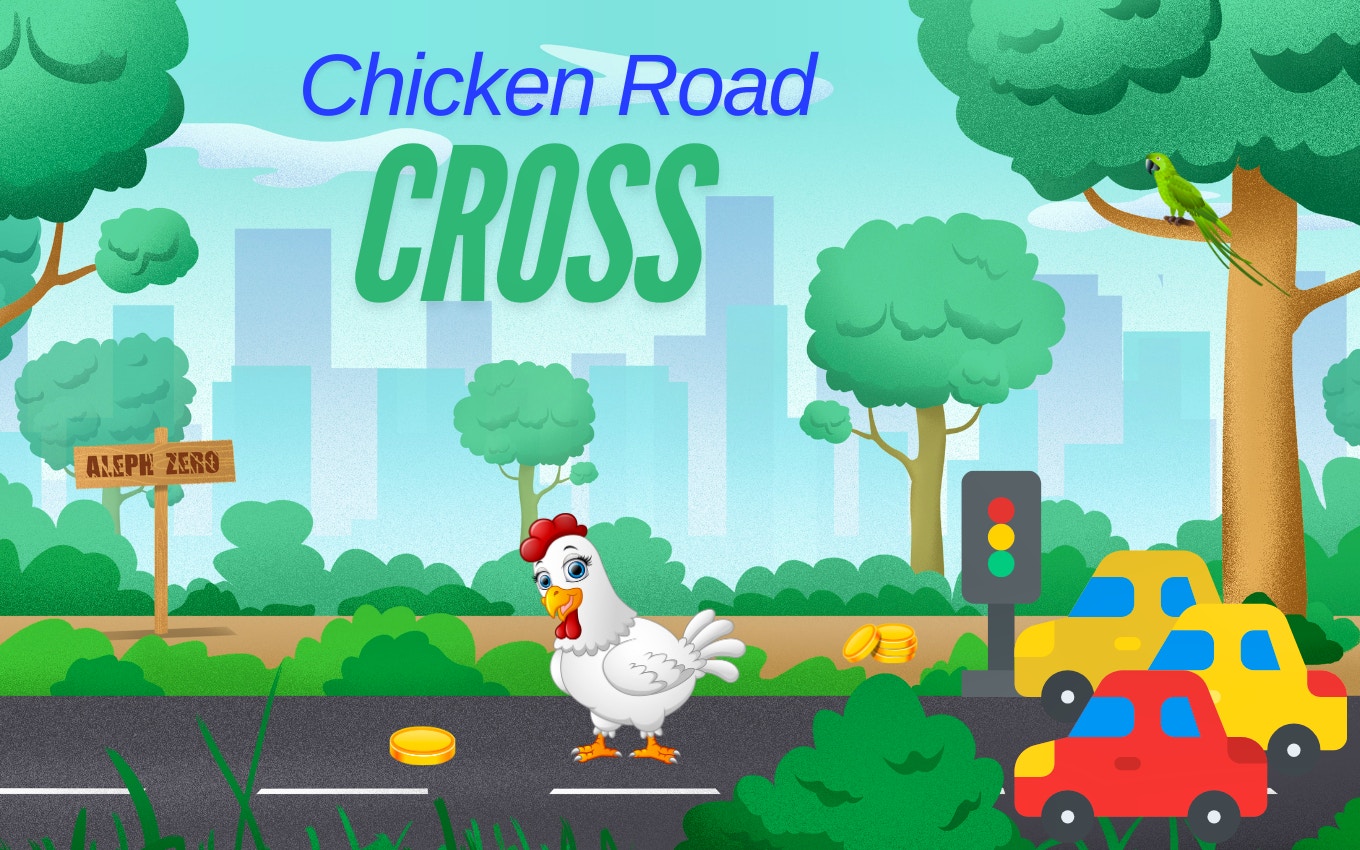
Exploring the Speed of Chicken Road Animation: A Creative Journey
Welcome to the whimsical universe of Chicken Road Animation Speed, where creativity meets technology in a smart rhythm! In the realm of animation and gaming, speed plays a pivotal role, significantly influencing the viewer’s experience. For those interested in jumping into the action, you’re invited to check out Chicken Road Animation Speed and Decisions chickenroadslot.co.nz for an example of how animated speed enhances engagement in gaming experiences.
Animation has come a long way since its inception, evolving from hand-drawn sketches to complex computer-generated imagery (CGI) that captivates audiences globally. Among the various genres and styles, Chicken Road Animation stands out, not only for its charming character designs but also for its dynamic pacing. The animation speed directly affects how viewers perceive action, emotion, and story progression, making it a fascinating subject to examine.
The Importance of Animation Speed
Speed in animation can be defined as the rate at which movements unfold on screen. It plays a crucial role in determining the flow of visuals and, consequently, the audience’s engagement. In Chicken Road Animation, speed influences how characters interact with their environment, how quickly they transition between scenes, and how effectively they convey emotions.
Speed not only affects the pacing of the story but also has practical implications in terms of production. Animators must consider frame rates and timing to achieve desired effects. For example, a fast-paced scene might capture the chaos of a chase or the excitement of a race, while slower animations can evoke contemplation or sadness.
Effects of Speed on Viewer Engagement
Viewer engagement is essential for the success of any animation project. In the case of Chicken Road Animation, speed enhances the connection between characters and the audience. Rapid sequences inject energy and excitement, drawing viewers into the action. Conversely, the strategic use of slower moments allows audiences to absorb the story’s emotional aspects.
Studies have shown that pacing can affect audience retention and emotional response. Fast-paced animations tend to keep viewers on the edge of their seats, while slower sequences can create a deeper bond between the audience and the characters. In Chicken Road Animation, animators expertly balance these speeds to maintain viewer interest throughout the narrative.
The Role of Animation Techniques
Various techniques can be employed to manipulate speed in animation. Timing, spacing, and squash-and-stretch are foundational principles that animators utilize to convey motion. For instance, characters may be squashed when they land or stretched during a jump, visually communicating their speed and force.
In Chicken Road Animation, these techniques are used to amplify the character’s personalities and actions. A daring chicken might leap dramatically, stretching through the air before landing gracefully, showcasing a blend of speed and finesse. This not only entertains but also informs the audience of the character’s traits.
Impact of Animation Speed on Game Design
The principles of animation speed extend beyond traditional storytelling; they also play a significant role in game design. For instance, Chicken Road Animation can be found in interactive gaming formats, where players are immersed in a dynamic, animated world. Here, speed is crucial for gameplay mechanics, influencing how players navigate challenges and interact with the environment.

Fast animation can make gameplay feel more intense, enhanc

ing the thrill of competition, while slower animations can provide moments of strategy and planning. This balance keeps players engaged, encouraging them to continue exploring the animated world.
Real-World Applications of Speed in Animation
Beyond Chicken Road Animation, the principles of speed in animation have real-world applications across various industries. From entertainment to education, animation serves as a powerful tool for communication. In educational contexts, for example, the speed of animations can facilitate learning by emphasizing key concepts or demonstrating complex ideas.
Think of an animated explanation of a scientific concept, where fast-paced visuals capture the viewer’s attention and enhance understanding. By manipulating speed, educators can create engaging content that is both informative and enjoyable.
Future of Animation Speed
As technology continues to advance, the future of animation speed holds exciting possibilities. New tools and software enable animators to create faster, more complex animations while maintaining high quality. Innovations in virtual reality and augmented reality are also changing how speed is perceived in animations, immersing viewers in environments where they can experience speed in new and interactive ways.
The Chicken Road Animation franchise is likely to evolve alongside these advances, exploring innovative ways to engage audiences and enhance the overall experience. As animators experiment with speed and pacing, we can expect to see fresh narratives emerge that challenge traditional storytelling techniques and connect with audiences in unprecedented ways.
Conclusion
In the vibrant world of Chicken Road Animation, speed is not just a technical aspect; it’s a vital element that shapes storytelling, character development, and viewer engagement. Whether through the thrill of rapid action or the emotional weight of slower, thoughtful moments, speed enriches the narrative and deepens the audience’s connection.
As we look to the future, the opportunities for exploration in animation speed are limitless. With each leap forward in technology, animators will continue to push boundaries, setting new standards for how stories are told and experienced. So, whether you’re a viewer, gamer, or aspiring animator, keep an eye on the impact of speed—it’s a crucial ingredient in the recipe of unforgettable animation.

0